Webinar
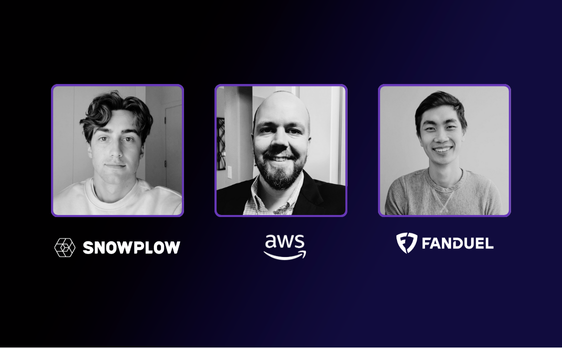
Real-Time Wins: How FanDuel Transforms Player Experience with AWS and Snowplow
Most of the work sits upstream of the warehouse, not downstream. Upstream, you introduce a resolution layer between the event collector and the warehouse, configure the identifiers it uses, set merge rules for any unique IDs, and connect any downstream destinations that want the merge events. Downstream, the dbt models and SQL queries that already run against batch-stitched data keep working, because the warehouse output schema stays familiar. The piece that often needs the most attention is your activation stack, which suddenly has access to fresher data and can be redesigned around it.
From success stories and architecture deep dives to live events and AI trends — explore resources to help you design smarter data products and stay ahead of what’s next.
Browse our Latest Blog PostsWhether you’re modernizing your customer data infrastructure or building AI-powered applications, Snowplow helps eliminate engineering complexity so you can focus on delivering smarter customer experiences.